Home › Gravel-to-Asphalt Conversions
Tired of mud, dust, and ruts in your gravel drive We provide gravel to asphalt driveway conversions in Arlington, TX that replace loose rock with a smooth, low maintenance blacktop surface built on a properly prepared base.
Precision Asphalt Arlington provides professional gravel to asphalt driveway throughout Arlington, TX, Texas and the surrounding area. Our licensed, insured crew delivers safe, clean, on-time work with a free estimate before anything begins. Call (817) 646-5980 or request your free quote.
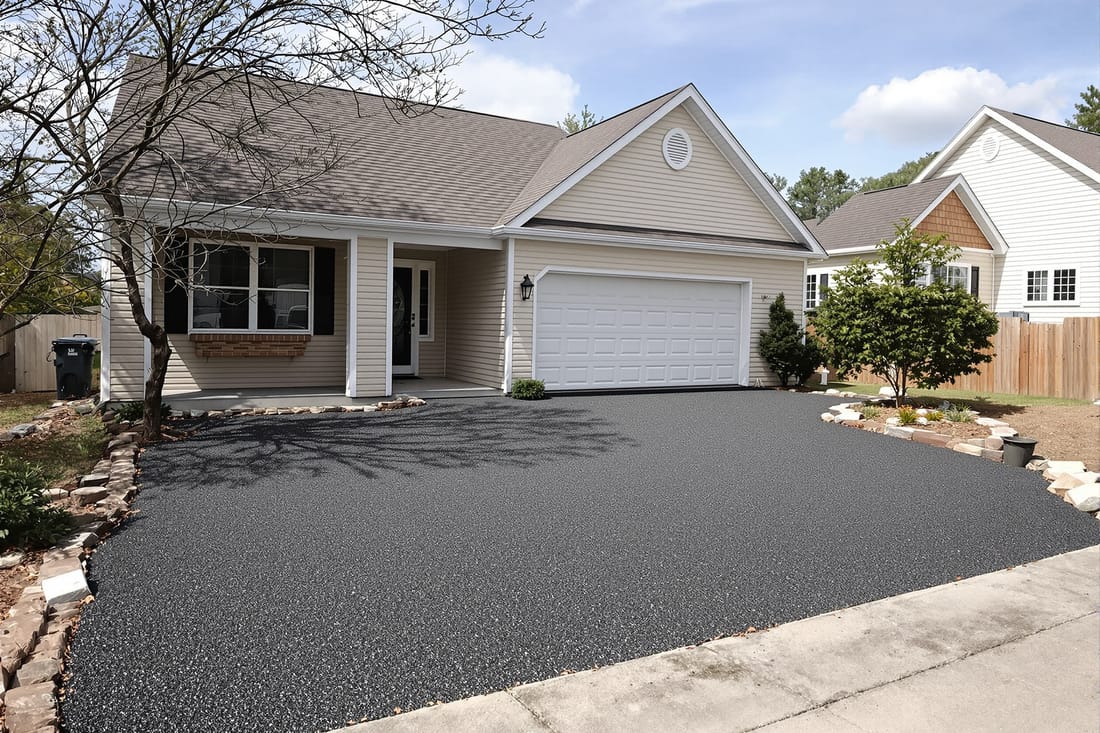
Turn Your Gravel Driveway Into a Smooth Asphalt Surface
If you are tired of ruts, dust, and washouts, converting your gravel driveway to asphalt can make daily life a lot easier. Precision Asphalt Arlington specializes in taking existing gravel drives in Arlington, TX and turning them into smooth, durable asphalt driveways that handle Texas heat and heavy rain.
Gravel is cheap to install, but it constantly shifts. In our North Texas weather, summer heat bakes the surface hard, then sudden downpours cut channels through it. That leaves low spots, puddles, and loose stone that tracks into your garage and house. A well built asphalt driveway gives you a stable surface that is easier to drive on, easier to shovel or blow clear of leaves, and easier to keep clean.
When you call Precision Asphalt Arlington, we do not just spread asphalt over whatever gravel you have. We evaluate whether the existing base is thick enough, what the drainage situation is, and how the driveway is used. A light residential driveway that sees two cars a day is very different from a long drive that has delivery trucks or trailers on it. We design the asphalt thickness and base work around real use so you are not paying for unnecessary material or living with premature rutting.
How We Convert a Gravel Driveway to Asphalt in Arlington
A proper gravel to asphalt driveway conversion is a step by step process. Skipping steps or cutting corners is usually why driveways fail early, so Precision Asphalt Arlington walks through each phase on site with you before work starts.
First, we inspect and measure. We look at the gravel depth, how soft the subgrade feels under a loaded truck, where water currently flows, and any problem spots like standing water or areas that pump mud after a rain. In Arlington clay soils, soft spots often show up near the street or at low points in the yard.
Second, we shape and strengthen the base. We use a grader or skid steer to cut high spots and fill low spots, then compact the existing gravel with a vibratory roller. If the gravel layer is thin, contaminated with dirt, or pumping under the roller, we add new crushed base rock (typically a TxDOT spec flex base or similar crushed limestone) in lifts, compacting each layer. The goal is a firm, uniform base that does not move more than a fraction of an inch under load.
Third, we handle drainage. In Arlington, a heavy storm can drop a lot of water in an hour, so we set the driveway slope so water sheds to the sides, not toward your house or garage. Sometimes that means adding a shallow swale along one edge, a small catch basin, or a concrete or asphalt apron at the street to prevent the edge from crumbling where it meets the road.
Fourth, we install the asphalt. For most residential gravel to asphalt driveway projects, we use hot mix asphalt delivered from a local plant in Arlington or nearby. We spread it with a paver when access allows, or by hand for tight areas, then compact with a steel drum roller. Typical thickness is 2 to 3 inches compacted for homes, and 3 to 4 inches for heavier traffic. Joints at the garage floor, sidewalk, or street are carefully tied in so you do not end up with a bump or a crack line.
Finally, we check compaction and finish. We make additional passes with the roller where needed, fix any low spots while the mix is workable, and clean up edges so the drive looks like it has always been there, not like an overlay slapped on top of an old gravel path.
Cost Factors For Gravel to Asphalt Driveway Projects
The cost to convert a gravel driveway to asphalt in Arlington, TX can vary quite a bit, and most of that has to do with the work under the surface. Precision Asphalt Arlington prices each project after a site visit, rather than guessing off a satellite photo, because two driveways that look similar on a map can be completely different on the ground.
The biggest cost drivers are driveway size, base condition, and asphalt thickness. A long drive or wide parking area obviously uses more material and machine time. If your existing gravel is deep, clean, and well compacted, we may only have to reshape and compact it, which keeps costs down. If the base is mostly dirt with some rock on top, or has deep ruts that hold water, we will need to bring in new crushed base, which adds trucking and material cost but is necessary for a driveway that will last.
Asphalt thickness depends on how you use the driveway. If you occasionally park an RV or have frequent heavy deliveries, we will recommend a thicker asphalt section and possibly a stronger base layer. Using the same thin design for car and truck traffic is a common way cheap jobs fail in a few summers.
Access and layout also affect price. Tight turnarounds, steep slopes, or driveways that run between fences can mean more handwork and smaller equipment. That slows the job down compared to an open, straight drive where we can pave quickly with a larger machine.
Finally, timing and weather matter in Arlington. We schedule paving work when temperatures and forecast are right so the asphalt can be properly compacted and cooled without rain hitting fresh mix. Trying to rush a job just before a storm or on a cold snap can hurt the finished surface, so we plan around our local weather patterns, especially in spring and fall.
Common Issues With Gravel Driveways And How Asphalt Solves Them
Most customers in Arlington reach out to Precision Asphalt Arlington after fighting the same gravel problems for years. The first is rutting from repeat tire paths. On gravel, those ruts hold water, and every storm cuts them deeper. A compacted asphalt surface spreads vehicle load across a larger area, so you get far less rutting, even with pickups and SUVs.
Dust is another big complaint, especially in dry, windy Texas summers. Gravel dust coats vehicles, garage interiors, and porch furniture. Asphalt virtually eliminates this dust problem once cured, and you are not constantly adding more gravel trying to keep the surface from breaking down.
Drainage is a big deal in Arlington's clay soils. Gravel often looks like it drains well, but when the clay underneath is saturated, the top layer can slide, shift, or pump mud through. As part of a gravel to asphalt driveway project, we address how water gets off and away from the drive. That may mean correcting the crown (the high point in the center), building the sides slightly lower, or tying in to existing yard drainage so water has a clear path out.
We also look at edge support. Gravel spreads over time and can creep into your lawn or flower beds. With asphalt, we compact the edges tight and, if needed, recommend concrete or brick edging in key spots. This helps prevent edge cracking if traffic runs near the sides and keeps the driveway looking clean and defined.
Lastly, winter and shoulder-season performance improves. While Arlington does not see much snow, we do get cold rain and the occasional freeze. Gravel can become mushy in these conditions. Asphalt remains solid, and water drains off the surface instead of soaking down and turning the driveway into a soft mess.
What Arlington Homeowners Should Know Before Converting From Gravel
Before you hire anyone for a gravel to asphalt driveway conversion in Arlington, it helps to know what to ask and what to expect. Precision Asphalt Arlington always starts with realistic conversations about lifespan, maintenance, and what the job will look like on your property day to day.
You should expect some disruption during construction. We will need clear access with vehicles parked off the driveway. There will be machinery noise and material deliveries for a day or two, depending on the size of the project. We talk through scheduling so you can plan around work, especially if you have multiple drivers in the household.
Ask any contractor how they evaluate and build the base, not just what asphalt mix they use. If someone is willing to pave directly over thin, loose gravel without compaction or additional base, that is a sign of a short term fix. For Arlington's soil and temperature swings, a solid base is more important than anything else.
Understand curing and early use. You can usually drive on new asphalt within 24 to 48 hours depending on temperatures, but heavy turning, parking in the same spot, or jacking up vehicles on it should wait longer. In our Texas heat, we also suggest avoiding sharp motorcycle kickstands or trailer jacks on fresh asphalt unless you use pads under them.
Maintenance is straightforward but important. We recommend keeping the surface clean of standing oil or fuel, watching for any early cracking along high stress areas, and planning on sealcoating after the first couple of years if conditions call for it. We can advise based on how much sun your driveway gets and how heavily it is used.
Finally, make sure you get a clear written scope. Our proposals list base work, expected asphalt thickness, drainage adjustments, and any tie-ins at the garage or street. That way you know what you are paying for and can compare apples to apples if you look at more than one quote. A detailed scope protects you from surprise change orders and helps ensure your gravel to asphalt driveway investment serves you well for many years.