Home › Commercial Gravel-to-Asphalt Conversions
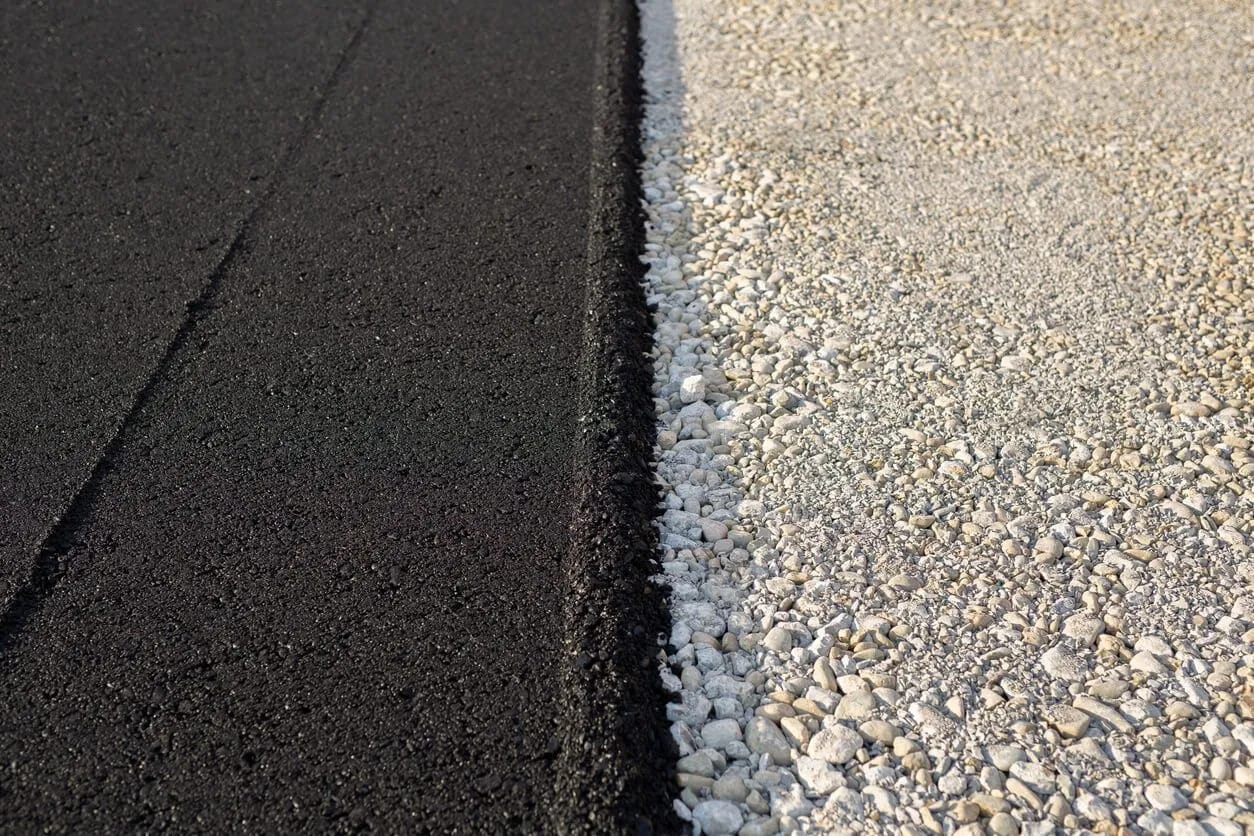
Upgrade rough gravel surfaces to clean, professional pavement with commercial gravel to asphalt conversions in Arlington, TX. We stabilize the base and install asphalt for lots, drives, and access roads that are easier to maintain and drive on.
Precision Asphalt Arlington provides professional commercial gravel to asphalt throughout Arlington, TX, Texas and the surrounding area. Our licensed, insured crew delivers safe, clean, on-time work with a free estimate before anything begins. Call (817) 646-5980 or request your free quote.
Commercial Gravel-to-Asphalt in Arlington, TX
Gravel lots can work for a while, but in Arlington’s heat and heavy rain they quickly turn into rutted, dusty, high-maintenance surfaces. Precision Asphalt Arlington specializes in commercial gravel-to-asphalt conversions that turn those problem areas into durable, professional-looking parking lots, drives, and access lanes that stand up to Texas weather and heavy traffic.
We focus specifically on commercial sites in Arlington, TX, so we understand local soil conditions, drainage patterns, and city expectations. Whether you manage a retail center off I-20, an industrial yard near Highway 360, or a church or school lot in a neighborhood, we tailor the design and construction of your new asphalt surface to the way your property is actually used.
A proper commercial gravel-to-asphalt project is more than just putting blacktop over gravel. It involves evaluating your existing base, correcting drainage, engineering the asphalt thickness for truck or car traffic, and planning a construction schedule that keeps your business open and accessible as much as possible.
Site evaluation and planning for gravel-to-asphalt
Every commercial gravel to asphalt project in Arlington starts with a site walk and measurements. We look at how water moves across your lot during a typical Texas downpour, where vehicles currently enter and exit, and where ruts, soft spots, and ponding show up in the gravel. These details tell us how strong or weak your current base is and where we need to improve it before any paving happens.
We also document traffic patterns, turning radiuses for delivery trucks, and the mix of car versus truck traffic. A medical office lot off Cooper Street needs a different asphalt design than a distribution yard handling loaded 18-wheelers near the GM plant. Precision Asphalt Arlington uses this information to recommend pavement thickness, base depth, and whether you need heavy-duty asphalt in loading zones and lighter sections in standard parking rows.
Permitting and local requirements are part of the planning as well. In many areas around Arlington, converting gravel to asphalt triggers stormwater and parking code considerations. We help you anticipate needs like marked ADA spaces, accessible routes, and any required striping patterns. Addressing these in the planning stage helps avoid surprise changes late in the project and keeps your schedule on track.
Base preparation and stabilization over existing gravel
The success of any commercial gravel-to-asphalt conversion depends on the base. Many lots in Arlington have a mix of compacted caliche, road base, and loose gravel that has been added over the years. We test and probe this existing material to decide what can be reused and what must be removed.
Our crews shape the existing gravel, then use heavy compactors to see how the base responds. Areas that pump, shift, or stay spongy usually indicate poor subgrade, often due to clay soils common in North Texas that expand and contract. In those spots, Precision Asphalt Arlington may undercut soft material, install new crushed limestone base, and recompact in thin layers to build a solid foundation.
If your lot serves heavier trucks, we may recommend soil stabilization with cement or lime in specific lanes and loading areas. This process hardens the subgrade so your asphalt will not rut or crack from repeated loads. For many commercial properties, we also adjust grades during this phase, creating subtle slopes that push water toward drains or edges so it does not sit on your new asphalt surface.
Asphalt paving process tailored to commercial use
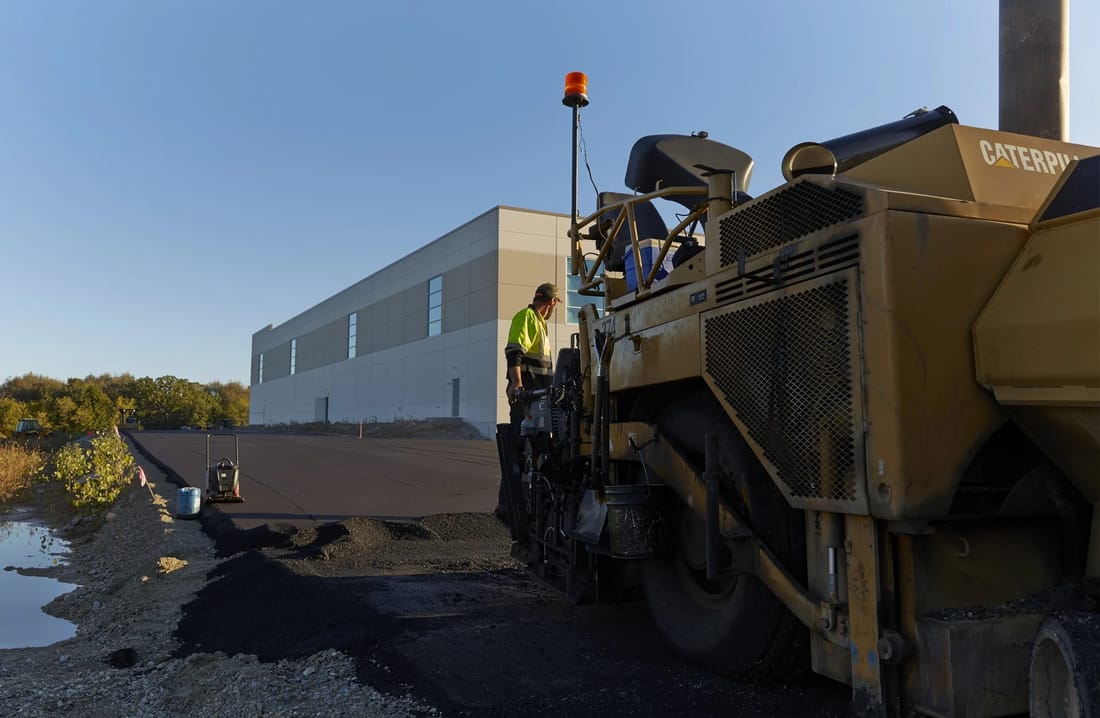
Once the base is sound and properly graded, we install the asphalt in one or more lifts. For most commercial gravel to asphalt conversions in Arlington, the final asphalt thickness ranges from 3 to 6 inches, depending on traffic loads. Car-only lots at small offices may use a single lift, while industrial yards and multi-tenant centers often get a base course and a separate surface course.
Precision Asphalt Arlington typically uses hot mix asphalt designed to handle high temperatures and UV exposure that are common in Arlington summers. The first lift is placed, spread, and compacted while hot to achieve density, then we check for any low areas or irregularities. The surface lift is then placed to create a smooth, tight finish suitable for striping and everyday commercial use.
Joint locations, transitions to existing concrete (like sidewalks, dumpster pads, and dock aprons), and tie-ins to city streets are handled carefully so vehicles do not experience bumps at entries. We construct these details with attention to drainage so that water does not collect at transitions or along the edge of the new asphalt.
Dealing with drainage, dust, and common gravel-lot problems
Many Arlington businesses come to us after years of battling dust clouds in dry weather and mud pits after storms. A key benefit of commercial gravel to asphalt conversions is solving these issues, but only if the design addresses drainage properly.
We evaluate whether your existing gravel lot has low spots, washouts, or flow paths that send water toward your building instead of away from it. Sometimes the fix is as simple as regrading and adding an asphalt valley to route water to an existing inlet. Other times, we recommend new surface inlets or additional drains, especially for larger properties along flood-prone areas or near creeks.
If your current gravel lot tracks stones into your building or into the street, a paved asphalt surface with defined entrances, concrete aprons at doors, and clear striping drastically reduces the clean-up your staff faces after storms. Precision Asphalt Arlington designs edge details, wheel stops, and traffic flow so that customers and trucks use the new pavement as intended, which preserves the surface and protects nearby landscaping and sidewalks.
What affects cost and schedule in Arlington, TX
Commercial gravel-to-asphalt conversions in Arlington vary in price based on several real-world factors. The biggest driver is the condition of the existing gravel and subgrade. If we can re-use much of your existing base with minor corrections, costs are lower. If there are widespread soft spots, flooding damage, or previous utility cuts that were never compacted properly, more excavation and new base material will be needed.
Thickness of asphalt and base plays a large role in budget. Lots that see constant heavy truck traffic, like freight yards or equipment rental sites, require more robust sections than a small office or retail parking lot. We often provide options so you can choose between a minimum-spec solution and an upgraded design with longer service life in high-traffic areas.
Weather and season impact both cost and schedule in Arlington. Extreme summer heat can shorten working windows because asphalt can cool too quickly or crews must avoid peak heat for safety. During wetter spring periods, we plan around rain so base layers are not compromised. Precision Asphalt Arlington works with you to phase the job, for example doing half the lot at a time so you can keep operations and customer access going throughout construction.
Finishing touches, striping, and long-term maintenance
After paving, we allow the asphalt to cool and set, then return for layout and striping. This includes parking stalls, directional arrows, ADA-compliant spaces and access aisles, fire lanes, and crosswalks if needed. Good striping improves traffic flow, reduces fender-benders, and helps you meet city and fire code requirements.
We also recommend a maintenance plan tailored to your new asphalt surface. For most commercial gravel to asphalt conversions in Arlington, the first sealcoat is considered after about 12 to 18 months of use, then on a regular schedule depending on traffic levels. Crack sealing, especially where heavy trucks turn or where utilities cross the pavement, helps prevent water from getting under the asphalt and damaging the base.
Precision Asphalt Arlington stays available after the job is complete. If you notice a drainage issue after a major storm, or if a utility company cuts into your new pavement, we can respond with patching, overlays, or localized repairs. Our goal is to make sure your transition from gravel to asphalt not only looks sharp on opening day, but also delivers reliable, low-maintenance performance for years in Arlington’s demanding climate.